
Tips
What Is Managed Wi-Fi?
March 13, 2026Understanding Managed Wi-Fi
Setting up reliable Wi-Fi for your business shouldn’t feel like solving a complex puzzle. While many organizations attempt to manage their wireless networks internally, the reality is that modern businesses require robust, secure, and consistently reliable connectivity to stay competitive. This is where managed Wi-Fi comes into play. Managed Wi-Fi represents a shift from the traditional do-it-yourself approach to network management. Instead of your IT team spending countless hours troubleshooting connection issues, configuring access points, and monitoring network performance, you can partner with specialists who handle these responsibilities for you. As you read below, we’ll explore what managed Wi-Fi entails, why businesses are increasingly adopting this approach, and how to determine if it’s the right solution for your organization.
What Is Managed Wi-Fi?
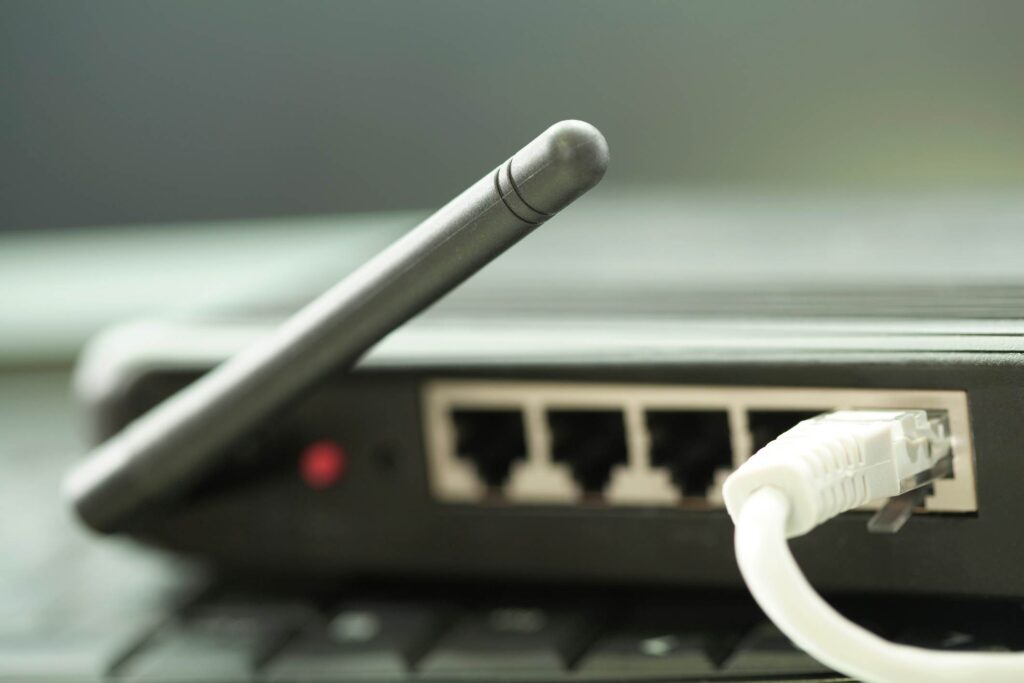
Managed Wi-Fi is a comprehensive service model where an external provider takes full responsibility for designing, implementing, monitoring, and maintaining your organization’s wireless network infrastructure. Unlike traditional Wi-Fi setups, where businesses purchase equipment and manage everything in-house, managed Wi-Fi services deliver end-to-end network solutions. A managed Wi-Fi system typically includes enterprise-grade access points, centralized network controllers, advanced security protocols, and ongoing technical support. The service provider handles everything from initial site surveys and equipment installation to 24/7 monitoring and regular firmware updates. This approach transforms Wi-Fi from a capital expense requiring internal expertise into a predictable operational expense with guaranteed performance standards. Managed Wi-Fi solutions are particularly valuable for organizations that lack dedicated networking expertise or want to free up their IT resources for more strategic initiatives. Rather than becoming network administrators, your team can focus on core business activities while experts ensure your wireless infrastructure operates at peak performance.
What to Look for in Managed Wi-Fi
Selecting the right managed Wi-Fi provider requires careful evaluation of several key factors that directly impact your organization’s connectivity experience. Here’s what you should look for:
- Service Level Agreements and Support: Carefully examine the provider’s SLA commitments. Look for guaranteed uptime percentages, specific response times for different issue types, and clear escalation procedures. Twenty-four-seven technical support should be standard, with multiple contact methods available.
- Scalability and Flexibility: Your network needs will evolve as your business grows. Choose a provider that can easily add access points, adjust bandwidth, or reconfigure network layouts without significant disruption or cost penalties.
- Security Capabilities: Enterprise-grade security features are non-negotiable. The provider should offer WPA3 encryption, network segmentation capabilities, intrusion detection systems, and regular security updates. Guest network isolation and content filtering may also be necessary depending on your industry.
- Equipment Quality and Standards: Ensure the provider uses commercial-grade access points from reputable manufacturers. Equipment should support the latest Wi-Fi standards and offer features like automatic failover and load balancing.
- Reporting and Analytics: Comprehensive network monitoring tools provide valuable insights into usage patterns, performance metrics, and potential issues. Regular reporting helps you understand how your network supports business operations and identifies opportunities for optimization.
Risks of Unmanaged Wi-Fi
Organizations that manage their own Wi-Fi networks face several significant challenges that can impact both productivity and security. Understanding these risks helps illustrate why managed Wi-Fi services have become increasingly popular.
- Security Vulnerabilities: Improperly configured networks create entry points for cybercriminals to exploit. Without regular security updates and monitoring, unmanaged networks may run outdated firmware with known vulnerabilities. Additionally, many businesses fail to implement proper network segmentation, allowing potential attackers to access sensitive systems once they breach the wireless perimeter.
- Performance Issues: Home-grade equipment often struggles to meet business-level demands, resulting in slow speeds, frequent disconnections, and dead zones. Without proper site surveys and professional installation, access points may be poorly positioned, creating coverage gaps or interference problems.
- Compliance Risks: Many industries have specific requirements for data security and network management. Unmanaged networks may not meet these standards, potentially exposing organizations to regulatory violations and associated penalties.
- Hidden Costs: While DIY Wi-Fi appears less expensive initially, hidden costs accumulate quickly. Equipment replacement, troubleshooting time, productivity losses from network downtime, and the opportunity cost of IT staff managing networks instead of strategic projects often exceed managed service fees.
- Limited Expertise: Networking technology evolves rapidly, and staying current requires continuous learning and certification maintenance. Most businesses cannot justify dedicating staff resources to develop and maintain this specialized knowledge internally.
Transform Your Business Connectivity Today
Managed Wi-Fi represents more than just outsourced network management. It’s a strategic decision that can transform how your organization operates. Ready to upgrade your business Wi-Fi experience? New Lisbon Broadband and Communications specializes in delivering comprehensive managed Wi-Fi solutions tailored to your organization’s unique needs. Our team of networking experts will assess your current infrastructure, design a customized solution, and provide ongoing support to ensure optimal performance. Contact us today to schedule a consultation and discover how managed Wi-Fi can enhance your business connectivity while reducing IT complexity and costs.